Boeing 737 First Officer Jobs: Requirements and Hiring Trends
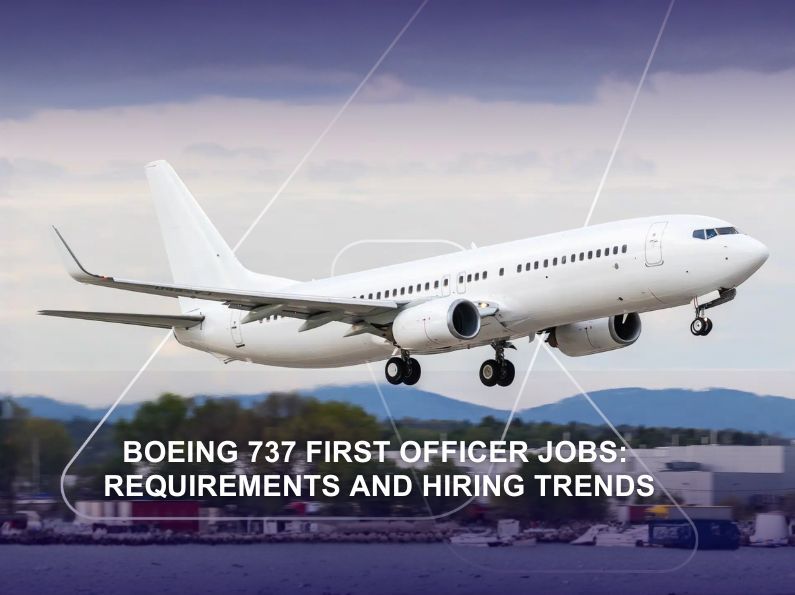
The Boeing 737 remains one of the most widely operated commercial aircraft in the world, continuing to play a central role in short and medium-haul operations across global aviation markets. As airlines expand operations and modernise fleets amidst the ever-evolving global landscape, Boeing 737 First Officers continue to be in strong demand across multiple regions.
For many pilots, the B737 represents an important step in building operational experience, progressing toward command positions, and accessing international aviation opportunities. However, competition remains strong, and hiring requirements can vary significantly depending on the operator, region, and operational model.
At MHC Aviation, we work closely with airlines, ACMI operators, and aviation professionals worldwide, helping connect qualified pilots with opportunities that align with their operational background and long-term career goals through candidate specific job placements.
Why the Boeing 737 Remains in High Demand
The Boeing 737 family continues to dominate narrow-body airline operations globally due to its operational flexibility, efficiency, and suitability for both low-cost and full-service airline models.
The aircraft is widely used across Europe, the Middle East, Asia-Pacific, Africa, as well as North and South America. As a result, airlines consistently require qualified Boeing 737 flight crews to support:
- Fleet expansion
- Seasonal operational demand
- ACMI operations
- Crew replacement cycles
- New route development
This sustained demand has kept Boeing 737 First Officer roles highly active within the aviation recruitment market.
Typical Requirements for Boeing 737 First Officer Roles
Although requirements vary by operator, most airlines look for a combination of licensing, operational experience, and regulatory eligibility.
Common requirements typically include Licensing and Certifications such as valid EASA, FAA, UK CAA, or equivalent ATPL/CPL, valid Class 1 Medical Certificate, current Boeing 737 Type Rating, and valid LPC/OPC and recurrent training records.
Flight Experience also plays an important role as operators often specify Minimum total flight hours, Minimum hours on multi-crew aircraft, Recent flight experience on type, Jet experience requirements.
Some airlines may also prioritize candidates with:
- High-utilization operational experience
- International route exposure
- ACMI or charter operation backgrounds
The Importance of Type Rating Recency
One of the most important hiring factors for Boeing 737 First Officers is recency. Airlines often prefer pilots who are currently flying the B737, have recent operational experience on type and maintain valid simulator and recurrent training records. Pilots with recent experience generally require shorter onboarding and training processes, making them particularly attractive in fast-moving recruitment environments.
How Hiring Trends Are Changing
The Boeing 737 recruitment market has evolved significantly in recent years. Several trends continue to shape hiring activity in 2026:
Increased International Recruitment: Many airlines are recruiting internationally to address pilot shortages and operational growth. This has created greater mobility opportunities for qualified pilots willing to relocate or operate on international contracts.
ACMI and Contract Operations Growth: The continued growth of ACMI and charter operations has increased demand for flexible Boeing 737 crew. These operations often require:
- Shorter deployment timelines
- Flexible contract structures
- Rapid onboarding processes
Greater Focus on Operational Flexibility: Airlines increasingly value pilots who can adapt to dynamic schedules, multi-base operations and diverse operational environments. Professional adaptability has become almost as important as technical qualifications themselves.
What Airlines Look for Beyond Flight Hours: While flight hours remain important, airlines are increasingly assessing broader professional qualities during recruitment. These may include communication skills, teamwork capabilities, professionalism, operational decision-making and cultural fit within the airline environment.
In today’s market, airlines are not only hiring qualified pilots but also hiring professionals who can integrate effectively into their operational culture.
The Importance of Recruitment Support
Working with aviation recruitment specialists can help simplify the process considerably.
Experienced recruiters help pilots:
- Identify suitable opportunities
- Understand operator requirements
- Prepare documentation
- Navigate compliance processes
- Access international aviation markets
For many pilots, this experienced recruitment support helps reduce uncertainty while improving access to opportunities aligned with their experience and career objectives.
Why Airlines and Aviation Professionals Choose to Work with MHC Aviation
At MHC Aviation, we understand the operational and regulatory complexities involved in modern pilot recruitment.
For airlines and operators, we provide access to experienced aviation professionals who meet both operational requirements and compliance standards across international markets.
For pilots, we offer guidance and support throughout the recruitment process, helping candidates navigate global opportunities, documentation requirements, and career progression pathways.
By combining industry expertise, global reach, and a personalised approach, MHC Aviation helps connect aviation professionals with opportunities that align with their qualifications, experience, and long-term goals within the global aviation industry.