Cabin Crew Lifestyle: What Is It Really Like?
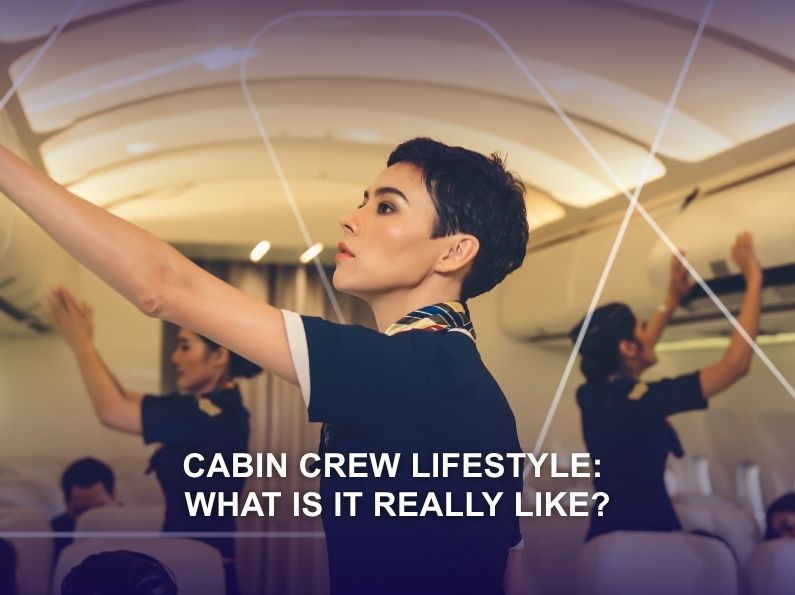
For many people, becoming cabin crew represents a very different way of working.
Instead of commuting to the same workplace every morning, you could be starting your day in one country and finishing it in another. Your colleagues can change from one roster to the next, your working hours rarely follow a traditional 9-to-5 schedule, and no two days are necessarily the same.
The opportunity to travel is certainly part of the appeal. But the cabin crew lifestyle is about much more than visiting new destinations. It requires adaptability, professionalism, resilience and the ability to perform consistently while working irregular hours and spending periods away from home.
At MHC Aviation, we know that a successful aviation career is not simply about finding a role that looks exciting from the outside. It is about understanding what the job actually involves and deciding whether the lifestyle is right for you.
So, what can you really expect from life as cabin crew?
No Two Rosters Are the Same
One of the biggest differences between cabin crew and traditional careers is the roster.
Your working pattern can include early starts, late finishes, weekends, public holidays and overnight stays. Depending on the airline and the operation, you may operate short-haul sectors and return home the same day or spend several nights away on longer routes.
This can make the lifestyle exciting, but it also requires significant planning. A typical week might not look like a typical working week at all. You could have several early starts followed by days off, or a series of flights involving overnight stays before returning home.
For some people, this flexibility is one of the biggest advantages of the job. For others, adapting to an unpredictable schedule can take time.
The Travel Is Real, but So Is the Work
Travel is one of the most obvious attractions of a cabin crew career.
Depending on your airline and base, you may have the opportunity to visit destinations that you would otherwise only see on holiday. However, being in a destination for work is very different from travelling there as a tourist. A crew member may have only a limited amount of time between flights. A long-haul destination could involve a relatively short layover before the next duty.
The priority is always the operation: looking after passengers, completing safety procedures and ensuring the flight runs as safely and efficiently as possible. The destination can be a benefit of the job, but it is not the purpose of the job.
Safety Comes First
The customer-facing side of cabin crew work is highly visible, but safety is at the heart of the role. Cabin crew are trained to deal with a wide range of situations, from medical incidents and turbulence to evacuations and other emergencies.
This means the job requires considerably more than good customer service. Crew members need to remain calm under pressure, follow procedures and make effective decisions when circumstances change. That responsibility is one reason airlines place such a strong emphasis on training and recurrent competency.
For anyone considering the profession, it is important to understand that the cabin crew lifestyle combines the excitement of aviation with significant professional responsibility.
Working With Different People Every Day
Cabin crew work is highly social. You interact with passengers from different countries and backgrounds, while working closely with colleagues who may have different personalities, experience levels and communication styles.
This can be one of the most rewarding parts of the career. It can also be challenging.
Successful cabin crew members need strong communication skills and emotional intelligence. They need to know how to remain professional when passengers are frustrated, tired or anxious, while also supporting colleagues and maintaining a positive working environment.
Being naturally outgoing can help, but you do not need to be the most extroverted person in the room. Often, the more important qualities are empathy, composure and professionalism.
Life Away From Home
For some cabin crew members, time away from home is one of the biggest adjustments. Depending on the airline and roster, you may spend nights away from family and friends or miss birthdays, weekends and public holidays.
That can be difficult, particularly at the beginning of a career. On the other hand, some people enjoy having several days off together and the flexibility that comes with a non-traditional working pattern.
There is no universally "best" roster. The right lifestyle depends on your personal circumstances and what you value outside work.
Managing Fatigue
Irregular working hours are an important part of aviation. Early morning reporting, late-night duties, multiple sectors and time-zone changes can all affect sleep and recovery. Cabin crew therefore need to take fatigue management seriously.
Good sleep habits, sensible use of days off, hydration, nutrition and effective planning can all help support wellbeing. Airlines also operate within regulatory frameworks designed to manage flight and duty-time limitations and rest requirements.
For cabin crew, understanding your own energy levels and recognizing when you need proper recovery is an important part of remaining effective at work.
The Lifestyle Can Build Valuable Skills
The cabin crew profession can also provide a strong foundation for a broader aviation career.
Over time, crew members can develop skills in:
- Leadership
- Customer service
- Conflict management
- Communication
- Safety and compliance
- Teamwork
- Decision-making
- Cultural awareness
- Training and mentoring
These skills can be valuable both inside and outside the cabin. Experienced crew may also have opportunities to progress into senior cabin roles, training, recruitment, inflight management or other areas of airline operations.
For people who are willing to develop beyond their initial role, cabin crew can therefore become the starting point for a much longer aviation career.
What About Life Outside Work?
One of the less discussed aspects of the cabin crew lifestyle is what happens when the uniform comes off. Managing relationships, friendships, hobbies and personal commitments around a changing roster can require organisation.
You may not always have the same days off as friends or family members working conventional schedules. At the same time, having days off during the week can provide flexibility that a traditional Monday-to-Friday job does not.
Many cabin crew members develop their own routines around their roster, planning important commitments around their days off and learning how to make the most of their time both at work and at home.
Is the Cabin Crew Lifestyle Right for You?
There is no single personality type that makes a successful cabin crew member. But the role tends to suit people who are:
- Adaptable, because schedules and situations can change.
- Calm under pressure, because safety and passenger situations can require quick, professional responses.
- People-focused, because communication and teamwork are central to the job.
- Organised, because managing rosters, rest and personal commitments takes planning.
- Resilient, because the lifestyle can be demanding as well as rewarding.
- Curious, because working with different cultures, people and destinations can be one of the great benefits of the profession.
Most importantly, successful cabin crew understand that the job is not simply about travelling. It is about taking responsibility for people, working as part of a team and delivering a consistently high standard of service and safety.
Making the Most of a Cabin Crew Career
If you are already working as cabin crew, or considering entering the profession, think about the lifestyle as part of your wider career, not just the destination.
Ask yourself:
- Does the roster work for my lifestyle?
- Am I comfortable spending time away from home?
- How well do I manage irregular working hours?
- What skills do I want to develop?
- Where could I progress after gaining experience?
- Which type of airline operation suits me best?
These questions can help you make more informed career decisions.
And as your experience grows, keep looking beyond the immediate role. Additional responsibilities, training opportunities and internal career programmes can help you develop towards your next position.
The Reality Behind the Lifestyle
The cabin crew lifestyle can offer experiences that few other careers can match. You can work with people from around the world, develop valuable professional skills and experience a working environment that is constantly changing.
But it also comes with early mornings, late nights, responsibility, fatigue management and time away from the people and routines that are familiar. That combination is what makes the career both challenging and rewarding.
At MHC Aviation, we believe the best aviation careers are built when professionals understand both sides of the opportunity. The cabin crew lifestyle is not simply about where you fly. It is about how you work, how you develop and how you build a career in an industry that never stands still.