E190 Captain Jobs: What Airlines Are Looking For
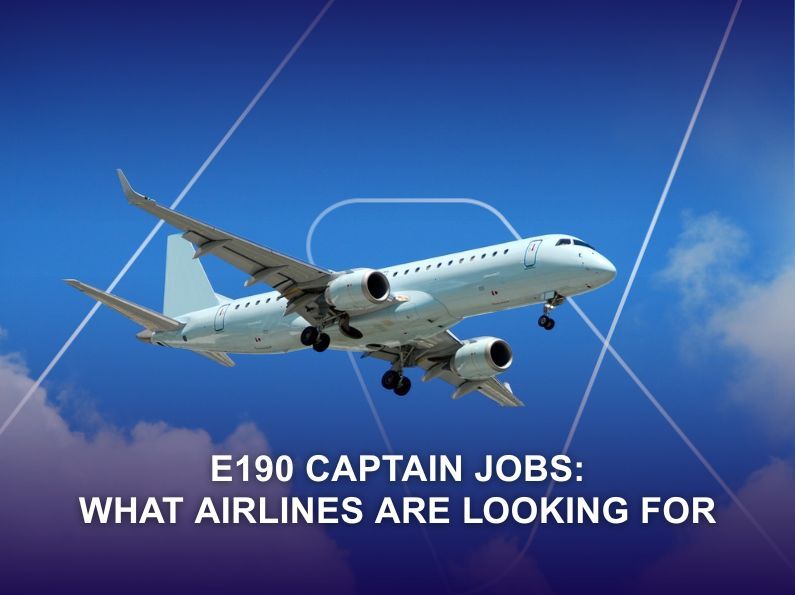
The Embraer E190 continues to play an important role in global aviation, connecting regional markets, supporting network expansion, and providing airlines with operational flexibility. As airlines continue to adapt their fleets and expand regional operations, experienced E190 Captains remain in demand across multiple aviation markets.
However, securing an E190 Captain position involves more than simply holding a type rating. Airlines are looking for experienced professionals who demonstrate strong technical capability, operational maturity, and the ability to lead safe and efficient flight operations.
At MHC Aviation, we work closely with airlines and aviation professionals worldwide, helping connect experienced pilots with opportunities that align with their qualifications, experience, and long-term career goals.
Why E190 Captains Are in Demand
The E190 has become a key aircraft within many regional and mainline airline operations due to its efficiency, range capabilities, and ability to serve markets that may not require larger narrow-body aircraft.
Airlines operating E190 fleets continue to recruit experienced Captains to support fleet growth and expansion, crew replacement requirements, regional network development, ACMI and contract operations as well as operational flexibility.
With airlines operating across Europe, Asia-Pacific, Africa, the Middle East, and the Americas, opportunities for qualified E190 Captains continue to appear across different regions.
What Airlines Typically Look For in E190 Captains
Requirements can vary depending on the airline, regulator, and operational model, but most operators assess a combination of licensing, aircraft experience, and overall operational background.
Common requirements include:
- Valid ATPL license (EASA, FAA, ICAO, or equivalent, depending on operator)
- Valid Class 1 Medical Certificate
- Current E190/E170 family type rating
- Recent operational experience
- Strong multi-crew airline experience
- Proven command experience
Many current E190 Captain opportunities require significant total flight time and PIC experience, with some operators looking for thousands of total hours and substantial command time on type or similar aircraft categories.
The Importance of E190 Experience
While aircraft ratings and qualifications are essential, airlines also place strong value on relevant operational experience.
Experience in areas such as:
- Multi-crew airline operations
- International flying
- High-frequency regional networks
- Complex operational environments
- Previous command responsibility
can significantly strengthen a pilot’s profile.
For operators, hiring a Captain is not only about technical ability, but also about finding someone capable of leading crews, making sound operational decisions, and maintaining strong safety standards.
Beyond Flight Hours: Leadership Matters
A Captain’s role extends far beyond aircraft handling.
Airlines evaluate qualities such as crew leadership, communication skills, decision-making under pressure, CRM capabilities, professional judgement and the ability to represent the airline professionally
The most competitive candidates are those who combine technical experience with strong interpersonal and leadership skills.
Current Hiring Trends for E190 Captains
The aviation market continues to evolve, and several trends are influencing E190 recruitment.
Increased International Mobility
Pilots are increasingly exploring opportunities outside their home markets. International recruitment allows airlines to access experienced professionals while giving pilots opportunities to expand their operational exposure.
ACMI and Contract Opportunities
The growth of ACMI operations has created additional demand for experienced E190 Captains. These roles often require flexibility, adaptability, and the ability to integrate quickly into different airline environments.
Focus on Recent Experience
As with many aviation roles, recent operational activity remains an important factor. Airlines often prefer candidates who have maintained current experience, recent simulator checks, and up-to-date operational records.
Challenges When Applying for International E190 Captain Roles
Although demand exists, international recruitment can involve several challenges.
Pilots may need to navigate:
- Licence conversion requirements
- Regulatory differences
- Documentation processes
- Relocation considerations
- Contract structure differences
- Understanding compensation packages
Each aviation market operates differently, making professional guidance valuable when evaluating international opportunities.
How Aviation Recruiters Support E190 Captains
For experienced pilots, finding the right opportunity is not only about identifying vacancies but also about finding a role that aligns with career goals.
Aviation recruiters support candidates by helping with:
- Identifying suitable opportunities
- Understanding airline requirements
- Preparing application materials
- Managing recruitment communication
- Navigating international processes
This support can help pilots approach the market with greater clarity and confidence.
Preparing for Your Next E190 Captain Opportunity
Pilots looking to strengthen their profile should ensure they maintain:
- Current licences and medical certification
- Updated flight records
- Recent aircraft experience
- Complete training documentation
- A professional and accurate aviation CV
Being prepared allows candidates to respond quickly when suitable opportunities become available.
Why Airlines and Aviation Professionals Choose MHC Aviation
At MHC Aviation, we understand that successful aviation recruitment requires more than matching a license to a vacancy.
For airlines and operators, we provide access to experienced aviation professionals who meet operational, technical, and regulatory requirements.
For pilots, we provide guidance throughout the recruitment process, helping connect qualified professionals with opportunities that match their experience and career objectives.
By combining aviation expertise, global reach, and a personalised approach, MHC Aviation helps connect the right professionals with the right opportunities, thereby supporting safe, efficient, and successful aviation operations worldwide.