Why Aircraft Engineers Are In Such High Demand
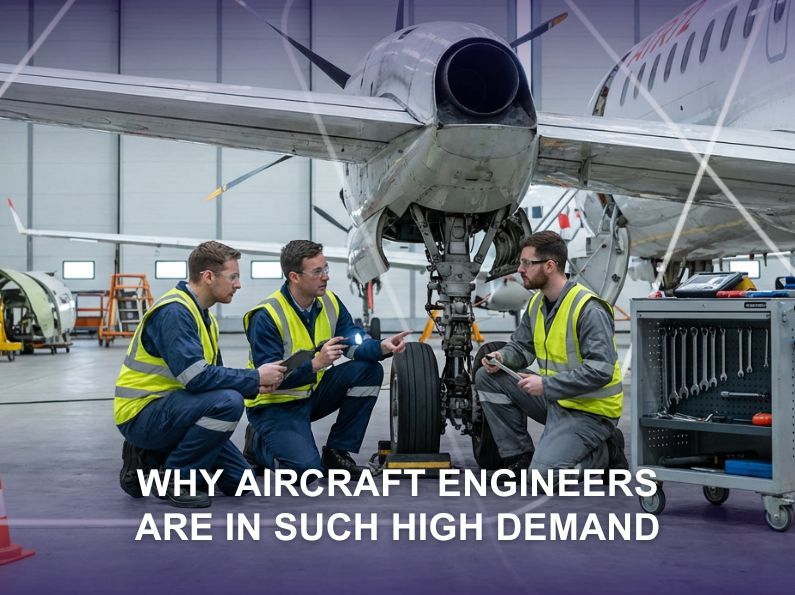
The aviation industry relies on precision, safety, and efficiency, and at the center of all three are aircraft maintenance engineers. While pilots and cabin crew are often the most visible parts of the operation, it is engineers who ensure that every aircraft is safe, compliant, and ready for flight.
In recent years, demand for qualified aircraft engineers has increased significantly. Across global markets, airlines and aviation organizations are facing growing challenges in sourcing and retaining skilled technical professionals.
At MHC Aviation, this is one of the most consistent trends we are seeing across recruitment activity.
A Growing Imbalance Between Supply and Demand
The demand for aircraft engineers is not new, but it has intensified. Fleet expansion, increased utilization, and the return of global air travel have all contributed to a higher volume of maintenance requirements. At the same time, the pipeline of newly qualified engineers has not kept pace with industry needs. This has created a kind of clear imbalance where demand continues to grow, while the available talent pool remains limited.
The Impact of Fleet Expansion and Ageing Aircraft
Airlines are operating in a mixed fleet environment. On one hand, new aircraft are being introduced, requiring engineers with specific type ratings and training. On the other, older aircraft are being retained longer than initially planned, increasing maintenance demands. This combination places additional pressure on engineering teams, as they must maintain expertise across multiple aircraft types and systems. As a result, engineers with type-rated experience and multi-aircraft capability are particularly sought after.
Certification and Licensing as a Bottleneck
Unlike many roles in aviation, a career as a licensed aircraft engineer requires significant time, training, and regulatory approval. Certifications such as EASA Part-66 or FAA A&P require both theoretical knowledge and practical experience, often taking several years to achieve. This structured pathway, while essential for safety and compliance, also limits how quickly new engineers can enter the workforce. From a recruitment perspective, this makes qualified and licensed engineers a highly valuable and limited resource.
Increasing Operational Pressure
As airlines work to optimize efficiency, aircraft utilization has increased. This means shorter turnaround times and tighter maintenance schedules. Engineering teams are expected to maintain high safety standards, meet strict regulatory requirements, and operate within tight operational timelines. This level of responsibility reinforces the need for experienced professionals who can work efficiently without compromising on safety.
The Global Nature of Demand
Aircraft engineers are in demand across all major aviation markets. Opportunities exist with commercial airlines, MRO organizations, leasing companies and aviation service providers. This global demand also means that engineers are increasingly mobile, with many open to international contracts and short-term assignments. Flexibility, both from employers and candidates, has become an important factor in meeting demand.
What This Means for Aviation Professionals
For engineers, the current market presents strong opportunities. Those with valid licenses and certifications, type-rated experience, and flexibility in location and contract type are particularly well positioned. At the same time, the competitive nature of the market means that professionals must ensure their qualifications, experience, and documentation are clearly presented and up to date.
Looking Ahead
The demand for aircraft engineers is expected to remain strong in the coming years. As fleets continue to expand and evolve, and as operational demands increase, the need for skilled technical professionals will remain a key priority for the industry. This is not a short-term trend, but a structural shift that will continue to shape aviation recruitment.
Why Airlines and Aviation Professionals Choose to Work with MHC Aviation
At MHC Aviation, we understand the critical role aircraft engineers play in maintaining safe and efficient operations. For airlines and aviation organizations, we provide targeted recruitment solutions that connect them with qualified engineers who meet both regulatory and operational requirements. Our industry expertise allows us to identify candidates with the right certifications, experience, and adaptability for each role.
For aviation professionals, we offer access to a global network of opportunities across airlines, MROs, and aviation service providers. We work closely with each candidate to ensure their experience is aligned with the right roles, supporting both short-term placements and long-term career development.
By combining technical understanding, global reach, and a personalized approach, MHC Aviation helps ensure that the right engineering talent meets the right opportunity, supporting the continued success of the aviation industry.