Airlines Hiring Boeing 787 Pilots in 2026
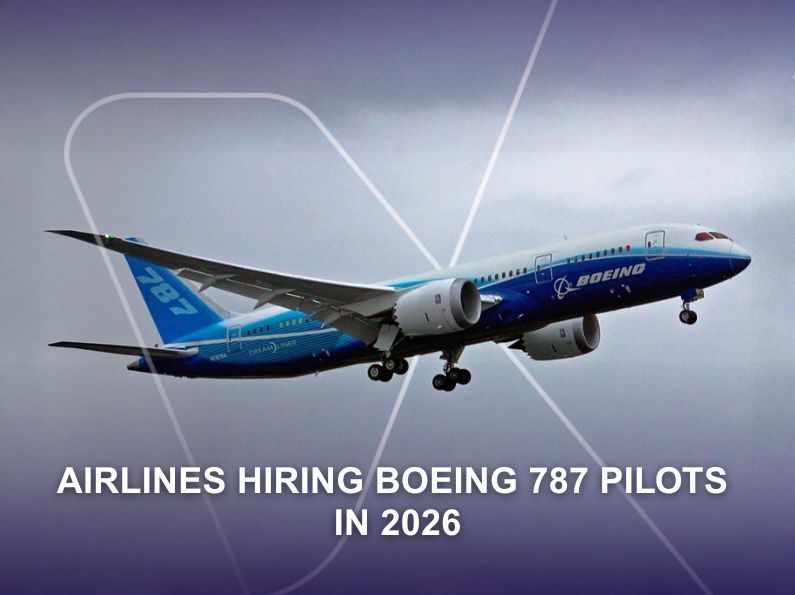
The Boeing 787 Dreamliner has become one of the most important aircraft in modern long-haul aviation. Renowned for its fuel efficiency, passenger comfort, and operational versatility, the 787 continues to support airlines expanding international networks and connecting major cities across the globe.
As global air travel continues to stabilise and further ascend in late 2026, demand for experienced Boeing 787 pilots is only expected to increase. Airlines are investing in fleet expansion, launching new long-haul routes, and increasing flight frequencies, creating a steady stream of opportunities for qualified Captains and First Officers.
At MHC Aviation, we work closely with airlines and aviation professionals worldwide, helping connect experienced pilots with opportunities that align with their qualifications, career ambitions, and long-term goals.
Why Boeing 787 Pilots Continue to Be in Demand
The Boeing 787 has become the aircraft of choice for many operators looking to balance operational efficiency with long-range capability.
Its ability to economically serve both established and emerging international routes has made it an integral part of many airline fleets.
As a result, demand for Boeing 787 pilots continues to be driven by:
- International route expansion
- Fleet modernisation programmes
- Growing passenger demand
- Replacement of retiring flight crew
- Expansion of long-haul operations
- Increasing demand for experienced widebody pilots
Unlike aircraft operating primarily on domestic routes, the Boeing 787 is commonly deployed on international services connecting multiple continents, making experienced flight crew an essential part of airline growth strategies.
What Types of Airlines Are Recruiting Boeing 787 Pilots?
Rather than being limited to one segment of the market, Boeing 787 recruitment spans a diverse range of operators.
Current hiring activity is commonly seen among:
- Full-Service International Airlines: National and international carriers continue expanding long-haul operations using the Boeing 787 to connect major business and leisure destinations worldwide.
- Leisure and Holiday Airlines: Operators serving high-demand tourism markets continue investing in widebody fleets capable of transporting large passenger volumes on medium and long-haul routes.
- ACMI and Wet Lease Operators: Flexible fleet providers increasingly operate Boeing 787 aircraft on behalf of other airlines during periods of seasonal demand, operational disruption, or fleet shortages.
- Rapidly Expanding Airlines: Growing airlines introducing new long-haul routes often require experienced Boeing 787 pilots to support fleet expansion and maintain operational continuity.
Regions Driving Boeing 787 Recruitment
Demand for Boeing 787 pilots is truly global. Opportunities continue to emerge across several major aviation markets, including:
- Europe: European airlines continue operating long-haul services to North America, Asia, Africa, and the Middle East while expanding intercontinental connectivity.
- Middle East: The region remains one of the world's busiest long-haul aviation hubs, with airlines operating extensive international networks connecting East and West.
- Asia-Pacific: Rapid aviation growth, increasing international travel, and continued fleet investment make Asia-Pacific one of the strongest markets for Boeing 787 recruitment.
- North America: Airlines continue expanding international services across Europe, Latin America, and Asia while modernising long-haul fleets.
- Africa: Growing international connectivity and fleet development continue creating opportunities for experienced widebody pilots across selected markets.
Hiring Trends in 2026
The Boeing 787 recruitment market continues to evolve alongside wider aviation industry trends. Several developments are shaping hiring activity this year.
- Increased International Recruitment: Many operators are looking beyond domestic talent pools to attract experienced pilots from international markets.This has created greater opportunities for pilots willing to relocate or operate internationally.
- Greater Focus on Operational Experience: While total flight hours remain important, airlines increasingly prioritise recent experience on type, widebody operational exposure, long-haul experience, strong Crew Resource Management (CRM) skills, and excellent safety and compliance records.
- Faster Recruitment Processes: Many airlines have streamlined their recruitment procedures in response to ongoing pilot demand. Digital interviews, simulator assessments, and accelerated onboarding processes have become increasingly common, allowing operators to secure experienced candidates more efficiently.
Contract vs Full-Time Employment
Today's Boeing 787 market offers a variety of employment models depending on the operator and operational requirements.
Full-Time Positions: Many airlines continue recruiting pilots into permanent positions offering:
- Long-term career progression
- Structured command upgrade pathways
- Comprehensive training programmes
- Stable roster patterns
- Competitive salary and benefits packages
These opportunities often appeal to pilots seeking long-term career stability within a single airline.
Contract Opportunities: Theseremain an attractive option for many experienced pilots.
These roles often provide:
- Competitive compensation
- Flexible contract durations
- International assignments
- Opportunities across multiple regions
- Exposure to different operational environments
For pilots seeking flexibility or international experience, contract roles can provide valuable career development while maintaining operational recency.
What Airlines Are Looking For
Although individual requirements vary, recruiters consistently seek candidates who combine technical expertise with professionalism and adaptability.
Common qualities include:
Current Qualifications
Airlines typically require:
- Valid ATPL
- Current Class 1 Medical Certificate
- Boeing 787 type rating (where applicable)
- Recent recurrent training
- Current licensing documentation
Operational Experience
Recruiters often prioritise candidates with:
- Recent Boeing 787 flying experience
- Widebody command or multi-crew experience
- International operations exposure
- Strong safety record
Leadership and Communication
For Captains and First Officers alike, airlines value professionals who demonstrate:
- Excellent communication
- Strong decision-making
- Effective Crew Resource Management
- Professionalism under pressure
- Adaptability across multicultural environments
Technical capability alone is rarely enough. Airlines increasingly look for pilots who contribute positively to flight deck culture and support safe, efficient operations.
Building a Long-Term Boeing 787 Career
For many pilots, accepting the first available opportunity isn't always the best career decision.
The right role should align with your:
- Career progression goals
- Preferred operational environment
- Lifestyle expectations
- Family considerations
- Long-term financial objectives
- Professional aspirations
Choosing an airline that offers strong career development, competitive benefits, and a positive organisational culture can have a lasting impact on both professional success and personal satisfaction.
Pilots exploring international Boeing 787 career opportunities should consider evaluating not only the position itself but also the wider career pathway offered by the operator.
Looking Ahead
As airlines continue investing in fleet expansion and international connectivity, Boeing 787 pilots are expected to remain in high demand well beyond 2026.
While recruitment activity may fluctuate across regions, the long-term outlook for experienced widebody pilots remains positive. Airlines are increasingly focused on attracting professionals who combine technical excellence with leadership, adaptability, and a commitment to operational safety.
For pilots maintaining current qualifications and remaining open to international opportunities, the Boeing 787 continues to offer one of the strongest long-haul career paths in commercial aviation.
Why Aviation Professionals Choose MHC Aviation
At MHC Aviation, we believe that successful recruitment goes beyond simply matching a pilot to a vacancy.
We take the time to understand each candidate's qualifications, experience, career ambitions, and personal priorities. Whether you're looking for long-term stability with an international airline or the flexibility of contract flying, our goal is to connect you with opportunities that genuinely align with your future.
Through our global network of airline partners, we help pilots access competitive opportunities with attractive compensation packages, strong career development pathways, and supportive working environments. Just as importantly, we strive to match candidates with airlines whose culture, operational style, and expectations are the right fit for their personality and professional aspirations.
By combining industry expertise, market insight, and a personalised approach, MHC Aviation helps aviation professionals build lasting careers, not simply find their next role, but take the next meaningful step toward achieving their long-term goals.