Aviation Background Checks: What Airlines Verify Before Hiring
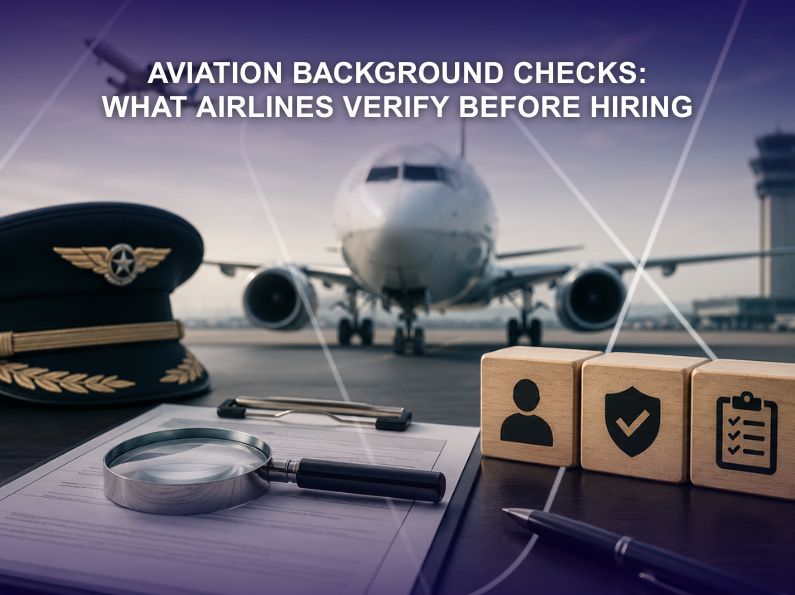
In aviation, safety, compliance, and trust are fundamental to every operation. Whether hiring pilots, cabin crew, engineers, or operational personnel, airlines must ensure that every individual meets not only the technical requirements of the role, but also the professional and regulatory standards expected within the industry.
As a result, aviation recruitment involves far more than reviewing a CV or conducting an interview. Background checks are a critical part of the hiring process, helping airlines verify qualifications, experience, and suitability before employment begins.
At MHC Aviation, we work closely with both candidates and operators throughout the recruitment process, and one of the most common questions professionals ask is: What exactly do airlines verify before hiring?
The answer is often more detailed than many expect.
Why Background Checks Matter in Aviation
Unlike many industries, aviation operates within a highly regulated environment where even small discrepancies can have serious operational consequences.
Background checks help airlines maintain safety and compliance standards, verify qualifications and experience, meet regulatory obligations and reduce operational and reputational risk For operators, hiring decisions are not based solely on capability, but also on confidence and reliability.
License and Certification Verification
One of the first areas airlines verify is licensing and certification.
For pilots, this typically includes license type and issuing authority, type ratings and their validity, medical certification as well as flight hour records and recency.
For engineers and technical personnel, EASA, FAA, or equivalent certifications, maintenance authorizations, aircraft type approvals and training records.
Since aviation is compliance-driven, documentation must be accurate, current, and verifiable. Even minor inconsistencies can delay the recruitment process.
Employment History and Experience
Airlines also conduct detailed reviews of a candidate’s professional background, and this includes previous employers, dates of employment, operational experience and reason for leaving previous roles.
For flight crew and engineers in particular, airlines often assess whether previous experience aligns with the operational environment of the role. Experience on specific aircraft types, international exposure, ACMI operations, or high-utilization environments may all be relevant factors.
Criminal Record and Security Screening
Security screening is a standard part of aviation hiring, particularly for roles involving airport or airside access. Depending on the country and operator, checks may include criminal record verification, identity verification, a right-to-work confirmation as well as adherence to aviation security clearance requirements. Many airports and aviation authorities require personnel to meet strict background standards before issuing access credentials.
Training and Education Verification
Airlines may also verify academic qualifications, training certifications, simulator records, flying hours and current training history. This is especially important when candidates have worked across multiple countries or regulatory jurisdictions. Maintaining organised and up-to-date records can significantly improve the efficiency of the process.
Social Media and Professional Conduct
Increasingly, airlines are also considering professional conduct and online presence during the recruitment process. While technical qualifications remain the priority, professionalism, communication, and behavior can also influence hiring decisions. This does not mean candidates must maintain a highly curated online presence, but professionalism and consistency remain important both online and offline.
Why Delays Sometimes Happen
Background checks can take time, particularly in international aviation recruitment. Delays may occur as a result of missing documentation, verification requests across multiple countries, licensing checks with aviation authorities or previous employer response times. Candidates are suggested to ensure that the documentation is clear, accurate, and easily accessible can help reduce delays significantly.
Preparing for the Recruitment Process
For aviation professionals, preparation is essential. Before applying, candidates should ensure they have:
- Updated licenses and certifications
- Accurate flight hour or experience records
- Employment history documentation
- Valid medical and training records
Being prepared not only speeds up the process, but also demonstrates professionalism and reliability.
Why Airlines and Aviation Professionals Choose to Work with us
At MHC Aviation, we understand that successful recruitment depends on more than simply matching qualifications to vacancies.
For airlines and aviation organisations, we support recruitment processes by ensuring candidates meet operational, regulatory, and compliance requirements before placement. Our industry expertise allows us to identify professionals who are not only qualified, but properly aligned with each role.
By combining industry expertise, operational understanding, and a personalized approach, MHC Aviation helps connect trusted professionals with the right opportunities, supporting safe and efficient aviation operations worldwide.