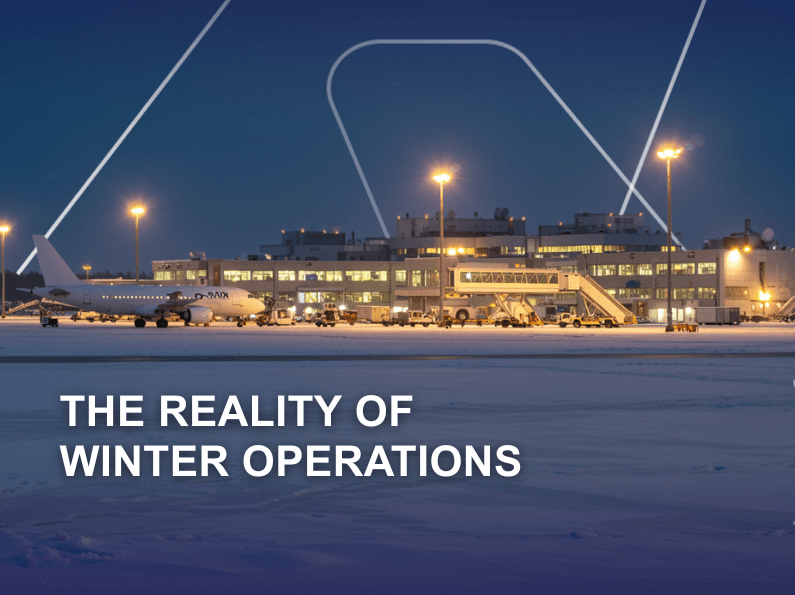
The Reality of Winter Operations
Why does December challenge airlines more than any other month?
Winter has always been a defining period for aviation. As temperatures drop and the first snow settles on airport aprons, airline operations shift into a mode that demands heightened coordination, resilience, and precision. For crews, operations teams, and support staff worldwide, December marks the beginning of a season where the smallest disruption can ripple through an entire network.
The reality is that winter flying is unlike any other time of year, and understanding those pressures is key to maintaining operational integrity.
- Weather Doesn’t Just Delay Flights. It Delays Everything
Snowfall, frost, and limited daylight hours extend turnaround times and complicate aircraft readiness long before boarding begins.
De-icing queues stretch across the apron, cold-soaked aircraft require longer preparation, and ground conditions slow even the most experienced teams.
Unlike summer delays, winter disruptions are unpredictable and often simultaneous across multiple regions, creating compounding pressure on schedules, fleet allocation, and crew duty times.
- Crew Rostering Becomes a Balancing Act
Winter operations test the flexibility of crew scheduling like no other season. Short-notice delays, overnight diversions, and extended duties can quickly push rosters to regulatory limits.
What looks like a minor delay to passengers can mean a complete reshuffle behind the scenes, positioning crew in new locations, calling reserves, or replacing teams who’ve reached their duty maxima.
This is where efficient planning meets real-time adaptability.
Airlines must balance compliance, safety, and operational needs, all while ensuring crews remain rested and supported during one of the most demanding parts of the year.
- The Human Element Is More Important Than Ever
Cold weather operations are physically and mentally taxing on aviation professionals.
Cabin and flight crew manage long days, challenging conditions, and high passenger loads during peak holiday travel. Operations and ground teams work in freezing temperatures to keep aircraft turning safely.
Fatigue, morale, and well-being are central concerns because winter doesn’t just test aircraft and infrastructure; it also tests people.
Airlines increasingly recognize the need for clear communication, adequate rest, and reliable support systems to help their teams navigate the season safely.
- ACMI Becomes a Winter Lifeline
During December and January, ACMI support often becomes essential.
Unexpected spikes in demand, adverse weather, and crew shortfalls push airlines to seek flexible capacity that can slot into their network with minimal disruption.
Wet-lease operators provide aircraft, crew, maintenance, and insurance — helping carriers stabilise schedules when winter pressure peaks.
This seasonal reliance on ACMI reflects a broader shift toward agility and shared resources across the industry.
Keeping the Network Moving Requires Preparation, Experience, and Partnership
Winter operations are not defined by the weather itself, but by how airlines prepare for and respond to it.
The most resilient carriers are those who plan early, forecast realistically, and build systems that protect both safety and people.
And while airlines execute these strategies internally, they are also supported by a wider network of partners that range from training and ground handlers to staffing and operational support providers.
At MHC Aviation, we see firsthand how critical that ecosystem is.
Whether assisting with winter crew requirements, supporting seasonal staffing strategies, or providing HR and payroll stability during irregular operations, we work alongside airlines to help them stay agile when conditions are at their most challenging.
Not as a promotional claim, but as recognition of the shared responsibility it takes to keep aviation moving through the toughest season of the year.