Top 5 Questions About Pilots - ANSWERED
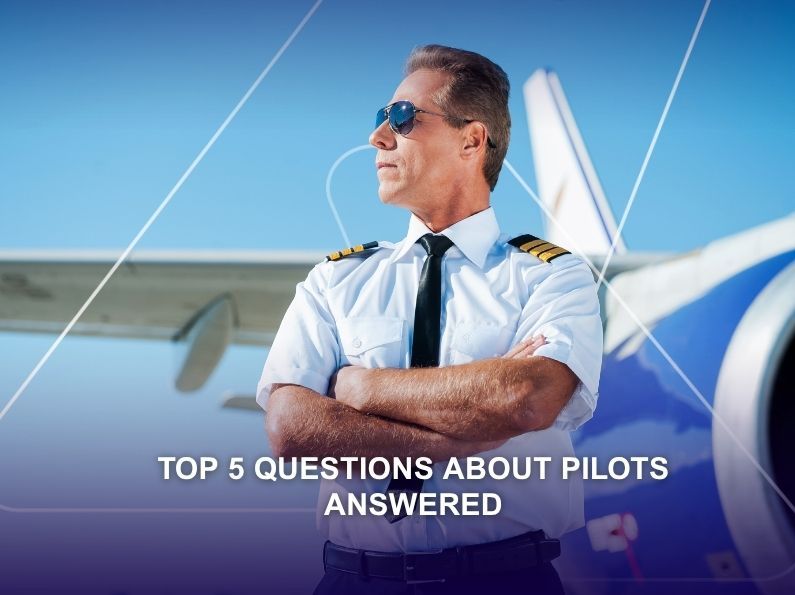
Pilots continue to be one of the most talked-about roles in aviation. Whether it’s career pathways, lifestyle, or what really happens in the flight deck, there’s a natural curiosity around the profession.
At MHC Aviation, we work closely with pilots and airlines worldwide, and these are the five questions we hear most often. We are here to answer them with clarity and real industry insight.
1. How Much Do Pilots Earn?
Pilot salaries can vary significantly depending on experience, aircraft type, and region.
A First Officer at the start of their airline career will typically earn a more modest salary, which increases substantially with experience and progression to Captain. Widebody operations, long-haul flying, and command positions generally come with higher compensation, often complemented by allowances for sectors, overnight stays, and travel.
What’s important to understand is that aviation is a progression-based career. Earnings grow steadily alongside experience, responsibility, and aircraft complexity.
2. How Do You Become a Pilot And How Long Does It Take?
There is no single path to becoming a pilot, but most routes follow a similar structure.
Candidates either enter integrated (cadet-style) programmes or complete modular training, building licences step by step. From zero experience to a Commercial Pilot Licence (CPL) with the required ratings typically takes between 18 and 36 months, depending on the route and pace of training.
After this, pilots still need to complete a type rating on a specific aircraft and line training with an airline before becoming fully operational. It’s a structured and demanding process, but one that opens the door to a global career.
3. Do Pilots Sleep During Flights?
On long-haul flights, controlled rest is not only allowed, it’s essential for safety.
Under strict regulations, pilots may take scheduled rest periods during cruise, particularly on flights with augmented crews. Dedicated rest facilities are often provided on long-haul aircraft. Importantly, there are always qualified pilots awake and actively monitoring the flight at all times.
This system ensures that pilots remain alert and effective throughout long duty periods, particularly on ultra-long-haul operations.
4. Are Pilots Ever Scared, Especially in Turbulence?
Turbulence is one of the most common concerns for passengers, but for pilots, it is a routine and well-managed part of flying.
Aircraft are engineered to withstand forces far greater than those experienced during normal turbulence, and pilots are trained to anticipate, avoid where possible, and manage it safely when encountered. While pilots maintain a high level of situational awareness, what may feel severe in the cabin is typically well within operational limits from a flight deck perspective.
5. How Many Hours Do Pilots Actually Work?
Pilot working hours are tightly regulated to ensure safety and manage fatigue.
This includes flight time limitations (FTL), which cap how many hours a pilot can fly per day, month, and year. However, duty time extends beyond just flying as it includes reporting, pre-flight briefings, aircraft preparation, delays, turnaround times, and post-flight duties.
Schedules can vary significantly depending on short-haul or long-haul operations, but the key principle remains the same: safety-driven regulation of working hours.
✈️ MHC Aviation’s take
Behind these commonly asked questions lies a profession built on discipline, responsibility, and continuous development. Pilots operate in a highly regulated environment where precision, decision-making, and experience are critical every day.
At MHC Aviation, we recognise that a successful placement goes beyond matching licences and flight hours. We work closely with pilots to understand their long-term ambitions, preferred operations, and career direction, while supporting airlines in building teams that align not only with technical requirements but with company culture and operational dynamics.
Because in aviation, the right fit isn’t just about qualifications, it’s about creating teams that perform, adapt, and grow together.